Mining machines do not use much data on an individual basi, but a big farm multiplies small amounts into real . Hundreds or thousands of keep unrelenting connections to pools, sending shares and receiving work constantly. In places where bandwidth is overpriced, metered, or limited, that traffic becomes a sincere operative refer. Fortunately, there are realistic ways to reduce it.
Start by measurement. Before dynamic anything, find out how much public dealings your site actually generates and where it goes. Look at the number of outbound connections, sum data volume per day, and any limits obligatory by your provider or firewall. Without a baseline, it is insufferable to know whether an optimisation helped. Many operators expose that reckon, not raw data, is the real constraint.
The first technique is connection consolidation. Instead of every mineworker possible action its own link across the world cyberspace, a topical anesthetic collecting layer can collect them on the LAN and send dealings upstream through far fewer connections. This reduces overhead and eases hale on routers and firewalls. It also makes the network easier to wangle, since you supervise a few golf links instead of hundreds.
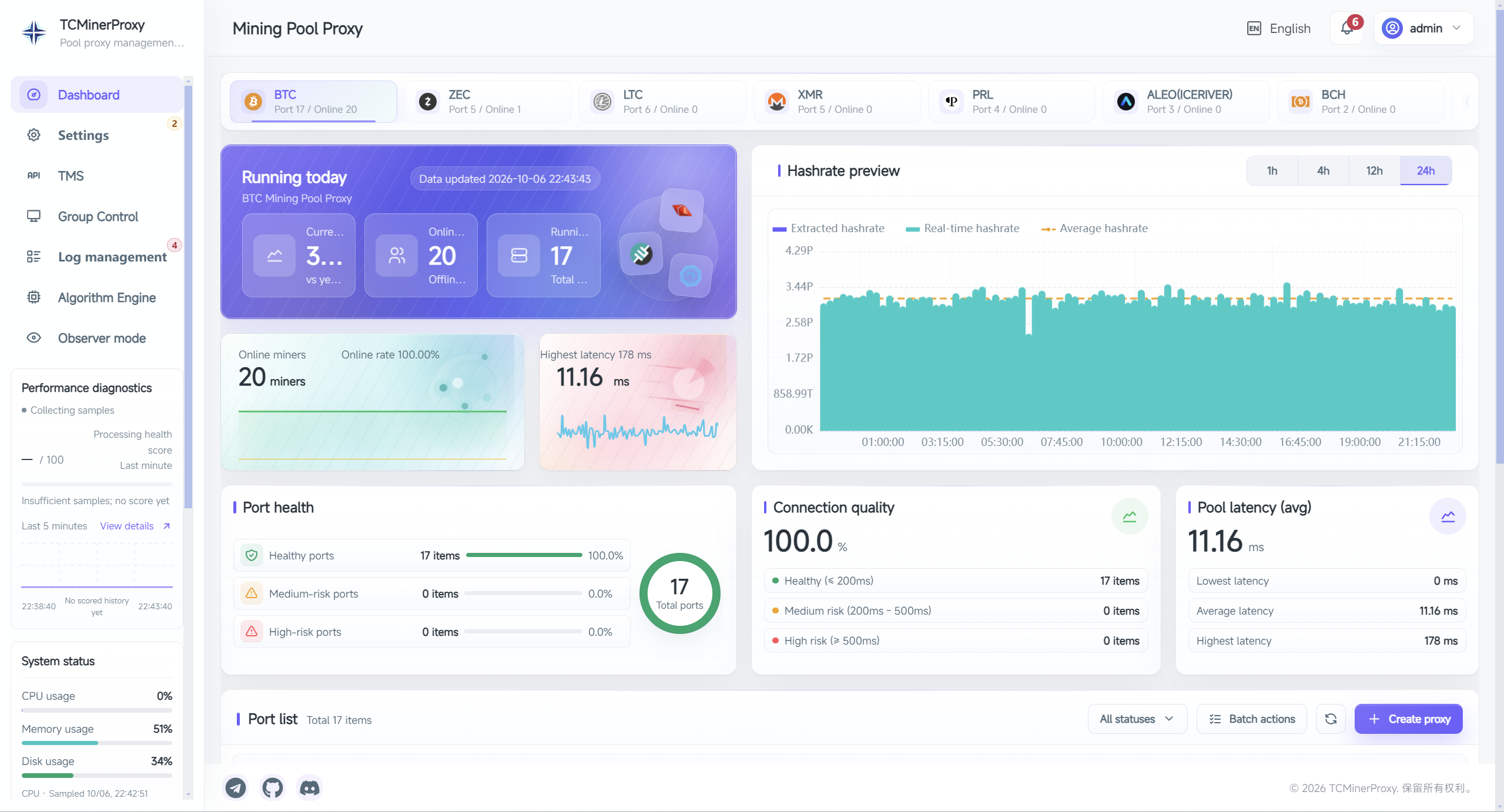
The second proficiency is . Mining traffic is highly iterative, which makes it a good candidate. The TMS node from TC minerproxy compresses dealings between the mining site and the waiter over an encrypted link. According to the trafficker, its TMS3(NB) communications protocol covers BTC and LTC pools and can cut world-network traffic by up to 95. Actual results will vary with your pool, fleet size, and settings, so treat that visualise as a ceiling to test against rather than a guarantee. The vender also lists several communications protocol options, including TMS2, TMS3, and TMS3 with Zstd, which lets you equate approaches.
A third improvement is horse barn local anesthetic addressing. When miners point at a fixed LAN turn to, you can change upriver routes without touching someone devices. That does not straight cut bandwidth, but it prevents the downtime and manual work that often come with web changes, and downtime is its own kind of cost.
Finally, watch the you already have. On-site monitoring of ports, golf links, traffic, CPU, and retention helps you spot misbehaving devices or unplanned dealings spikes. A one misconfigured muckle of miners can render startling amounts of data. Regular reexamine turns bandwidth management from guesswork into subroutine upkee.
Keep expectations philosophical doctrine. Compression and consolidation add components to your network, so test on a small group first, confirm that pool compatibility and partake sufferance remain sound, and roll out step by step. The goal is not the most clever frame-up, but the one that keeps your hashrate calm while lowering the each month bill. For big or remote farms, that combination can make a significant remainder to gainfulness.